Videos
The Dead Zone, The Gulf of Mexico, and Dr. Nancy Rabalais
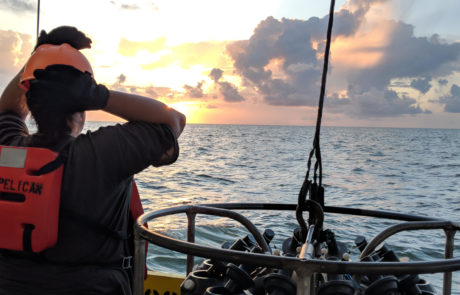
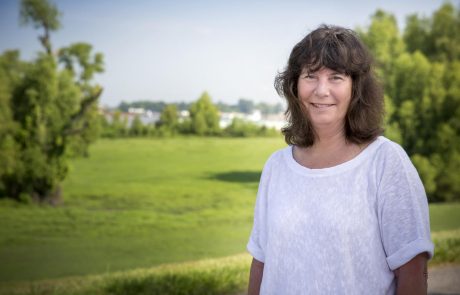
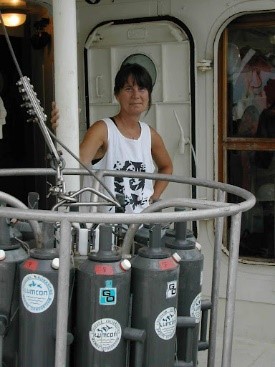
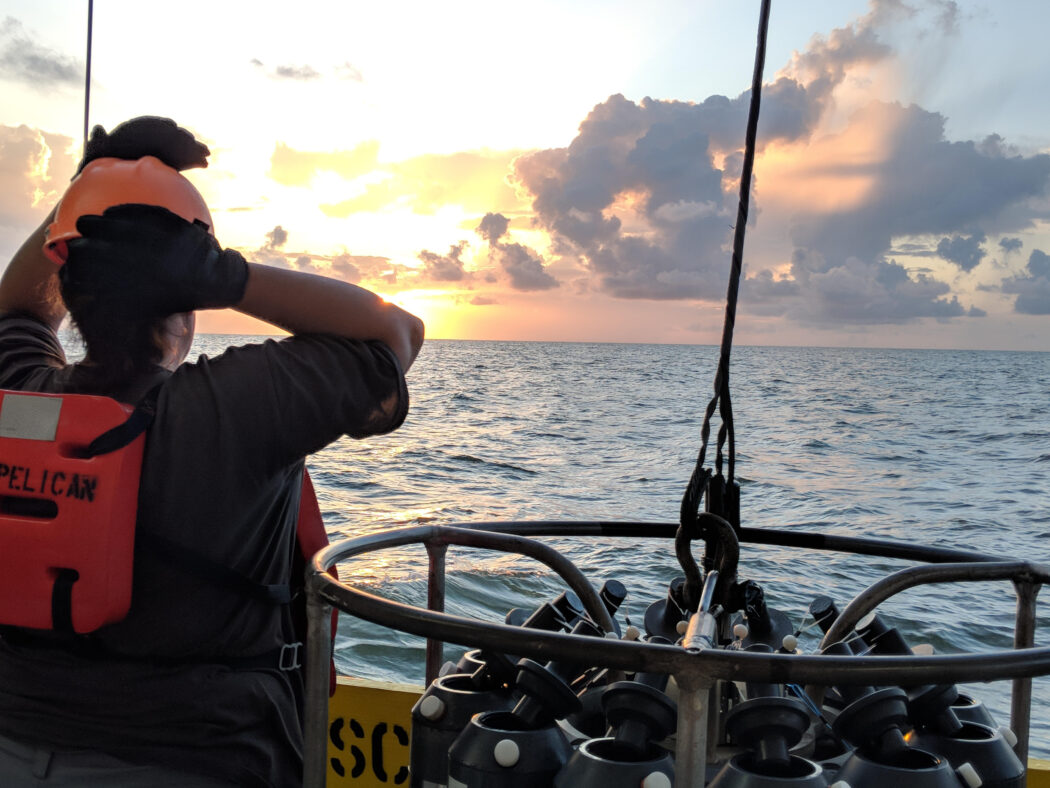
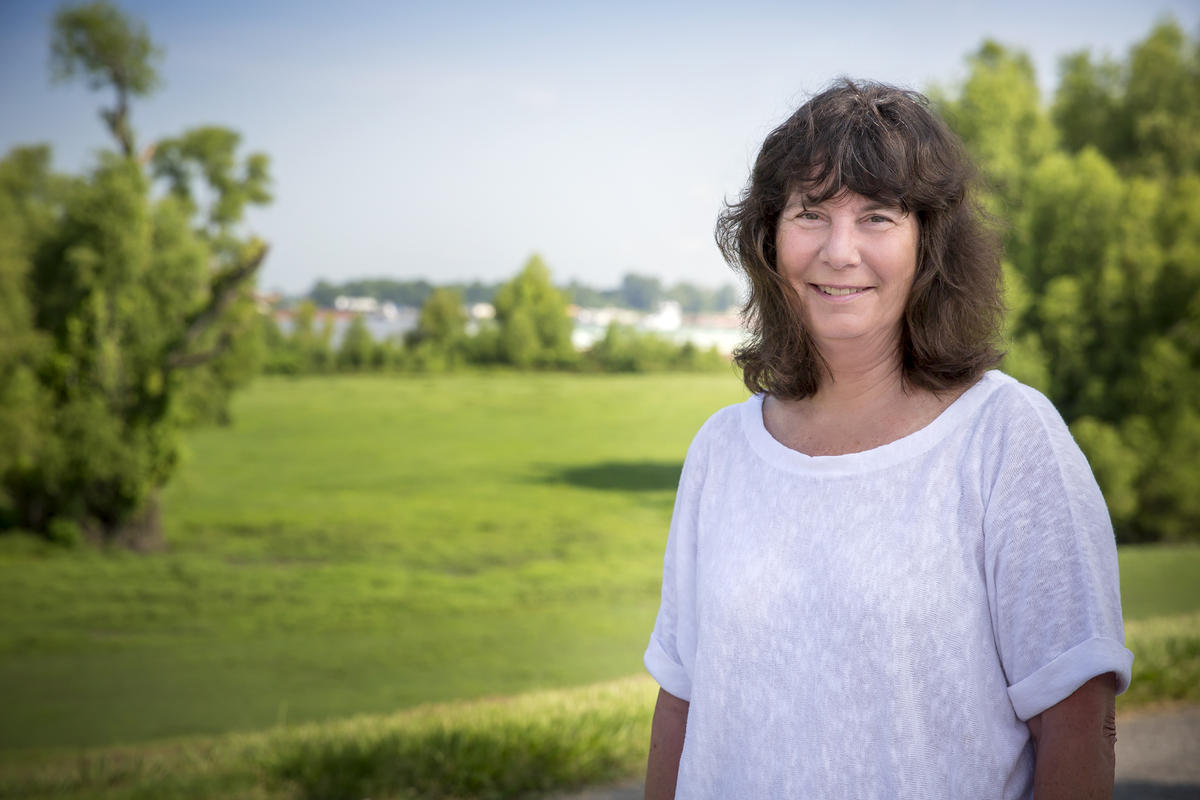
What is the “Dead Zone?” And why is it growing in the Gulf of Mexico? Dr. Nancy Rabalais joins President William F. Tate IV to answer these questions; give a behind-the-scenes look at an oceanographer’s life both on deck and below; and describe her journey to being elected to the most prestigious scientific society in the U.S., the National Academy of Sciences. For more than three decades, Dr. Rabalais’ determination to protect marine life in the gulf has resulted in several appearances before Congress and 35 research cruises. Dr. Rabalais is a professor and the Shell Endowed Chair in Oceanography and Wetland Studies in the Department of Oceanography & Coastal Sciences at Louisiana State University.
The “dead zone” of the Gulf of Mexico
Ocean expert Nancy Rabalais tracks the ominously named “dead zone” in the Gulf of Mexico — where there isn’t enough oxygen in the water to support life. The Gulf has the second largest dead zone in the world; on top of killing fish and crustaceans, it’s also killing fisheries in these waters. Rabalais tells us about what’s causing it — and how we can reverse its harmful effects and restore one of America’s natural treasures.
Interviews and Podcasts


Presentations
Photograph Galleries